Showing posts with label Health. Show all posts

Monday, June 30, 2014

Combined Root Canal & Gum Problems

When you experience pain in your mouth, it's sometimes abundantly clear which tooth is causing it. At other times, the sensation of discomfort is more diffuse, generalized or hard to pinpoint. On occasion, it can even be challenging to determine exactly what problem or combination of problems is causing the symptoms you're experiencing. This may be the case when an infection exists in the root canals of a tooth as well as the gum tissue adjacent to it.


In this situation, the infection may have begun in the pulp of the tooth itself; or, it may have started in the gums. Over time, it has spread from one location to the other — and now it's causing a confusing set of symptoms that are difficult to sort out. Regardless of where the problem started, a thorough analysis will be necessary before treatment can begin, to give you the best chance of saving the tooth.

Confusing Symptoms

Root canal infection leading to gum disease.

From time to time, many people experience oral discomfort that's dull or intermittent. Occasionally, a more insistent pain may be triggered by a stimulus like temperature (from hot or cold foods or beverages) or pressure (from biting down on something). Sometimes, it may feel as though the ache is coming from a group of teeth rather than one single tooth — or even from the sinus area above the back teeth.


These symptoms can indicate a number of dental issues, including root canal and gum problems, and shouldn't be disregarded. However, if you manage to ignore the acute pain, in many cases it will fade in time. But this isn't good news: It generally means that the infected tissue in the pulp of your tooth has died, and the nerve is no longer functioning. That's when the problem may become more serious.

Chicken or Egg?

Gum disease leading to root canal infection.

When the pulp tissue inside your tooth becomes severely infected, it's possible for the disease to move through openings at the end (apex) of the root, and outside of the tooth. It can then spread to the periodontal ligament, which anchors the tooth to the surrounding bone and gum tissue. From there, the infection may extend to the gum tissue and cause periodontal disease, or even result in a painful gum abscess. At that point, you may have pain — even severe pain that will let you know exactly which tooth is affected.


But it's also possible for the infection to be spread by the exact opposite pathway. In this case, an infection that originated in the gums (commonly due to periodontal disease caused by a buildup of plaque) may have has traveled through small passageways called accessory canals, which are located in between a tooth's roots, or on the sides of the roots. The infection can then extend into the tooth's pulp. If your teeth are fractured, it's even easier for disease to spread.


Treatment Methods

When dental problems involves both root canals and gum disease, saving the affected tooth can prove challenging. This is when it matters where the infection started: If it's primarily a root-canal problem that later moved into the gums, the outlook for the tooth is reasonably positive if it receives immediate treatment. If gum disease came first, however, the prospects often aren't as good; by the time the infection has moved into the tooth, it's possible that much bone has already been lost, making the tooth's long-term prognosis poor.

In either case, the cause of the tooth pain will need to be diagnosed and an effective treatment plan developed. The sooner that happens, the better: Root canal and gum problems simply don't get better on their own.

Sunday, March 23, 2014

10 Pregnancy Symptoms you should Never Ignore

Would you ignore a sudden ache or give a 3 a.m. call to your doctor? Here is a list of symptoms that must be returned with an appointment with a doctor. If, however, you are experiencing an unusual change in the body, which is not listed here, don’t ignore giving that important call to your doctor. 

Some of these symptoms are urgent depending on your health history or particular situation. Ask your doctor or midwife to review the signs that warrant immediate attention.
  1. Spotting or vaginal bleeding.  
  2. Your baby makes constant movement inside the womb. This, of course, applies to the time of pregnancy when your baby has grown enough to start moving. Ask your practitioner or midwife if you must monitor the baby’s activity by counting the kicks. The practitioner or midwife will tell you how to count and when you must give him/her a call.
  3. Change in the type of vaginal discharge or increase in its quantity. After 37 weeks, the increase in vaginal discharge is normal and is an indication that you will go into labour soon. Call the doctor when the discharge is watery, bloody or mucousy.
  4. Pelvic pressure, abdominal pain or a feeling that your baby is pushing down. Lower back pain, especially if you are experiencing one for the first time. More than four contractions in an hour before 37 weeks. Excessive and prolonged menstrual cramping.
  5. Little or no urination; painful or burning urination.
  6. Visual disturbance such as blurry vision, double vision, flashing lights, dimming, excessive floaters or sports in your field of vision. Headache accompanied by slurred speech, blurred vision or numbness.
  7. Persistent or severe cramp in the legs or calf that does not ease despite flexing the ankle, pointing the toes towards your nose or walking around. Watch out for any swelling on either leg. If one is more swollen than the other, call in your midwife or doctor.
  8. Persistent itching of the torso, legs, arms, soles or palms, which is intense and does not go away despite constant rubbing.
  9. If you are nearing the due date, ask your midwife to review the signs of labour so that you can avail medical facilities beforehand.  
  10. Vertigo, dizziness, rapid heartbeat, breathing problems, coughing, chest pain etc that lasts for a long period and frequents in the middle of the night.

Thursday, March 20, 2014

Reasons behind Abdominal Cramping in Early Pregnancy


Pregnancy comes with many complications. Women have to discern the difference between normal aches, pain and cramping and one that need more attention and the assistance of the doctor.

Cramping during pregnancy can either occur as an indicative sign of upcoming complications or simply as an indicator of stretching of the uterus. Women in early pregnancy often imagine cramps to be signals of impending miscarriage, though there are a number of other causes some of which are explained below:

 Implantation

In the initial weeks of pregnancy many women experience pain similar to the one experienced during menstruation; this is mainly due to completion of implantation. Implantation cramping is an early sign of pregnancy and is not noticed until the pregnancy is confirmed. It is experienced when implantation takes place in the womb and continues till the newly formed foetus attaches itself to the uterus' wall.


Being an early indication of pregnancy, implantation cramps brings to you the good news. So, don’t take stress about them, instead welcome them with happiness and get ready to receive your baby.


Stretching of Uterus

From the first trimester of pregnancy, your body is constantly preparing itself for the baby to come, making the uterus to expand and stretch so as to make space for the baby. As the uterus stretches. the supporting ligaments and muscles also stretch. This causes mild cramping that usually lasts short-term, but if cramping is constant and severe, you must talk to your doctor about it.


Gastric Problems

Problems associated with gas and constipation is commonly present during pregnancy and are the associated cramps. If you are suffering from gastric problems, you may experience cramping. Same goes with constipation during pregnancy.


Miscarriage

Miscarriage is one of the main causes of cramping during pregnancy, however, mild pain in the lower abdomen must not be confused with the symptoms of miscarriage. It is only when cramping is accompanied by spotting or vaginal bleeding that it becomes a sure sign of miscarriage.


Ectopic Pregnancy

Severe cramping is a common symptom of ectopic pregnancy (complication of pregnancy wherein the egg implants itself on the outside of the uterus). If you experience cramping and abdominal pain along with bleeding, immediately take medical assistance.

Even though mild cramping is expected during pregnancy and is considered healthy, if you find that it has become intense or uncomfortable, consult your doctor. He/she will help to clear all the associated worries and provide proper treatment in case of any problem.

How to Increase Emotional Intimacy

Emotional intimacy is about accepting your partner with his or her faults. Being close or intimate to a person means that you do not fear value judgement in his company and at the same time, you can be yourself. Emotional intimacy is important because you get acceptance, respect, admiration and feelings of self-worth mutually. It would be great if you knew ways to work on it and make it better.


Ways to Increase Emotional Intimacy

You would be surprised to know how certain games can actually increase emotional intimacy between you and your partner. Just look at your partner for 15 minutes from a distance of 3 to 6 feet. You two should have already agreed to do it without any distractions. You might feel like looking away or laughing but persist. Keep looking until you become a little comfortable.

    Do not underestimate the importance of gestures such as touches and gentle pats. The constant reaffirmation of caring and affection that only partners share helps a lot to increase intimacy. It would be a good lessen to your children too, if any. It will give them a message of security and wellness.

    Observe little things about your partner and tell them about it in casual chit chat. It may not always be loaded with romantic assertions. Just show that you are interested in him/her.

    Learn to notice what your partner says or when he/she offers something to you. Do not let past baggage ruin the present. Always show gratitude in accepting the offers and do not give messages that have a bearing in the past.

    Spending time alone is very important for maintaining and increasing emotional intimacy. It could be anything, such as a walk in the park, talking about how the day went, a devotion session with reads from Holy Scriptures and even being silent together. They play their part in improving psychological intimacy between partners.

    If you are one of those who are not conscious about your partner’s need to give vent to feelings, grow wiser. People want to be heard more. They may not always want a solution from you but just need to feel that you are there for her.


The tips given here for increasing emotional intimacy are not exclusive by any stretch of the imagination. If you are mature and caring for your partner and want to take your intimacy in this relationship to the next level, other ways will surely come up in your mind.

Wednesday, March 19, 2014

10 Early Signs and Symptoms of Pregnancy

Though the early pregnancy symptoms are the same as a lot of other medical conditions, there are some signs unique to pregnancy.

If you are able to recognize those, it is time get it confirmed with a pregnancy test.

Delayed Menstruation – If your menstruation does not occur at the time it was supposed to, it is one of the signs of pregnancy but not conclusive. Many other factors can delay menstruation such as hormonal disturbance, fatigue, excess weight gain, giving up birth control medication or stress. In order to make sure and relieve your mind, take a home pregnancy test.


Nausea – Nausea is caused in pregnancy by hormonal changes from 2nd week onwards to the 8th week after conception. Other causes can be stress, food poisoning or stomach disorders.


Sensitive Breasts – Sensitivity in breasts is a commonly found first sign of pregnancy. The breasts become tender or swollen after one to six weeks after conception. Breasts also become sensitive one week before menstruation. So, if you find your breasts tender and it is not quite one week to go for menstruation, it can be one of the early pregnancy symptoms.

Unbearable Fatigue – Due to rise in progesterone, women start to feel unbearable exhaustion many times during the day. It can start from one to six weeks after conception. You should ensure that such fatigue is not due to a common cold, exhaustion by overexertion, stress, depression or any type of mental strain. See your doctor to test for pregnancy or other medical conditions.

Headaches – Frequent headaches are very common throughout pregnancy and they can start right after conception. Other causes of headaches can be many. It needs to be checked whether the headache is due to high estrogen level after pregnancy or because of other reasons.

Backaches – One of the side effects of pregnancy can be backache. It is mostly experienced in the second trimester but some women report it early too.

Craving for Food – It has been often heard in Hindi movies that a woman asking excitedly for imli (tamarind) is supposed to be pregnant. But the craving need not be for intensely sour foods such as tamarind. It could be dairy products, potato chips, a variety of pickles or any other food that tempts the pregnant woman. Craving for food can also be due to depression, stress, approaching menstruation or simply poor diet.

Darkening of Areola - If the round darkened area around your nipple (areola) becomes darker still, it can be due to pregnancy. Hormonal disturbance can also cause this and it is advisable to discuss this with your doctor.

Frequent Urination – After around 6 to 8 weeks of conception, the baby starts to put pressure on the bladder and makes you urinate more often.

Sure Sign – If you have missed period and it is accompanied by nausea, tender breasts and fatigue, you can be reasonably sure that these are indeed early pregnancy symptoms. Get yourself tested immediately.

Tuesday, March 18, 2014

High Blood Pressure Can Be Much More Dangerous Than You Think.

A fluctuating high blood pressure can secretly damage your body. If you fail to keep a check on it and not care much to provide treatment, you may end up being disabled and having an unhealthy life. There are very few symptoms or signs of this disease which makes it even more dangerous. High blood pressure can occur at any age and can last for a lifetime.

Here are some risk factors of high blood pressure which can harm you enormously if not treated.

Damage to Arteries


Healthy arteries in your body are strong, flexible and elastic. The inner linings of the arteries are meant to be smooth so that the blood flow is easy and all organs receive the desired amount of oxygen and nutrients. High blood pressure can cause the inner walls of your arteries to become thick and stiff, making the movement of blood in the body difficult.


Damage to Heart

The heart performs the function of pumping blood to the entire body. Hence, it is very necessary for you to have a healthy heart. But, if you have been ignoring high blood pressure, your heart will have to face the consequences. High blood pressure affects the coronary artery which supplies blood to your heart. Due to high blood pressure, the artery stops functioning properly and this hampers the flow of blood to the heart. This may cause irregular heartbeats and chest pain.

Damage to Brain

Just like the heart, the brain also needs a proper supply of blood to function correctly. But, high blood pressure may cause your brain to be deprived of proper oxygen supply and essential nutrients. This may lead to stroke and damage of brain cells. High blood pressure can also cause weakening of brain’s blood vessels.

Damage to Kidneys

High blood pressure can damage the two large arteries leading to your kidneys which often results in kidney failure. This would mean that your kidneys would no longer be able to filter the waste from your blood and the dangerous fluids may accumulate in your body. The only cure to this would be dialysis or kidney transplantation.

Damage to Eyes

High blood pressure may make a person lose his vision. Loss of vision often starts with blurred vision in the initial phase. Therefore, it is always recommended that a patient with high blood pressure get his eyesight checked at regular intervals.


Blood pressure is the most popular cardiovascular disease. It is a silent killer and you must not avoid treating it after being diagnosed.

Monday, March 3, 2014

अंगूर एक ऐसा फल है जो विश्व के लगभग सभी क्षेत्रों में दिखायी पड़ता है

अंगूर एक ऐसा फल है जो विश्व के लगभग सभी क्षेत्रों में दिखायी पड़ता है और बहुत से लोग इसे अत्याधिक पसन्द करते हैं। अंगूर बेल में फलता है। तथा मांसल और पौष्टिता से भरा होता है। इस का ७९ प्रतिशत भाग पानी होता है तथा इसमें विभिन्न प्रकार की शर्करा, लवण और लाभदायक तत्व होते हैं।
अंगूर एक सुगंधित लता वाला फल है। अंगूर की पांच जातियां - तीन हरे और दो काले रंग की होती हैं। अंगूर में भस्म, अम्ल, शर्करा, गौंद, ग्लूकोज, कषाय द्रव्य, साइट्रिक, हाइट्रिक, रैसेमिक और मौलिक एसिड, सोडियम और पोटेशियम और क्लोराइड मेग्नीशियम आदि होता है।

अंगूर फल भी है और आहार भी और हलवे की भांति मीठा और स्वादिष्ट है। अंगूर को केवल एक लाभदायक फल नहीं बल्कि इसे एक सम्मपूर्ण आहार की संज्ञा दी है। वर्तमान काल में भी आहार विशेषज्ञ, अंगूर खजूर बल्कि किशमिश को एक सम्मपूर्ण आहार बताते हैं जिससे शरीर के लिए आवश्यक तत्वों की पूर्ति होती है इस आधार पर मनुष्य थोड़े से अंगूर या किशमिश खाकर, शारीरिक व वैचारिक गतिविधियों के लिए बड़ी मात्रा में ऊर्जा जुटा सकता है।
अंगूर फल एक ऐसा फल है जिससे कई बीमारियों को दूर किया जा सकता है, फलों में अंगूर सर्वोत्तम माना जाता है। अंगूर बलवर्धक और सौन्दर्यवर्धक फल है। अंगूर ऐसा फल है जो रोगी को उस वक्त दिया जा सकता है जब रोगी को कोई भी खाद्य पदार्थ खाने की मनाही है। अंगूर को खाने के कई लाभ हैं। आइए जानें अंगूर से सेहत कैसे बनाई जा सकती है।
1 - अंगूर में पानी की मात्रा अधिक होती है और इसके साथ ही इसमें शर्करा, सोडियम, पोटेशियम, साइट्रिक एसिड, फलोराइड, पोटेशियम सल्फेट, मैगनेशियम और लौह तत्व भरपूर मात्रा में होते हैं। जो कि व्यक्ति को स्वस्थ रखने में लाभकारी हैं। अंगूर के सेवन मात्र से बहुत से रोगों से निजात पाई जा सकती है।
2 - अंगूर आंखों के लिए भी बहुत लाभकारी है और यह रक्त की कमी को भी दूर करता है।
3 - शोधों में भी साबित हो चुका है कि अंगूर हृदय के लिए अत्यधिक लाभदायक होता है। गौरतलब है कि अंगूर में एक ऐसा रसायन पाया जाता है, जो हृदय को वृद्धावस्था के प्रभावों से बचाता है।
4 - अंगूर एक कम कैलोरी वाला आहार है जो व्याक्ति को लंबी आयु देता है और व्यक्ति वृद्धावस्था में भी जल्द कदम नहीं रखता। यानी व्यक्ति एकदम फिट रहता है।
5 - अंगूर में ए, बी, सी जैसे विटामिन और पोटैशियम, मैगनेशियम , आयरन और फास्फोरस जैसे तत्व पाए जाते हैं। जो कि शरीर को स्वस्थ रखने में लाभकारी है।
6 - चोट लगने या खून बहने की स्थिति में यदि शहद के साथ अंगूर का जूस मिलाकर दिया जाए तो रक्त की कमी को दूर किया जा सकता है।

Sunday, July 21, 2013

Complications of Asthma

Asthma is a chronic disease of the respiratory system which causes constriction of the airways. Bronchoconstriction causes symptoms such as shortness of breath, coughing, wheezing and chest tightness. Asthma can cause several complications and some of them can be even fatal. Read to know some of the complications of asthma.


Lifestyle Complications: People with moderate to severe asthma can have frequent exacerbations of symptoms which may necessitate frequent visits to hospital emergency room. Besides this the frequent symptoms can disturb their sleep, interfere with daily activities at home, school, or work place and recreational activities. The asthma medications can have several effects.  All these can prevent a person with moderate to severe asthma from leading a normal life as they may become frightened, apprehensive, frustrated and end up missing days of work or school.

Corticosteroid Side-effects: Many people with asthma need corticosteroid for control of asthma symptoms. People on long term or high dose steroids can experience side effects such as easy skin bruising, weight gain, osteoporosis, facial changes and skin dystrophy.

Pneumothorax: This is a rare and potentially fatal complication. In this condition air leaks out of the lungs into the pleural space due to rupture of overstretched alveoli or air sacs in the lungs. Pneumothorax may be suspected if a patient with asthma complains of chest pain or the breathing problem suddenly worsens. If the air leakage is significant it can cause collapse of the lung and even death.


Severe Coughing: Coughing is a common symptom of asthma. Severe coughing episode in these patients can cause complications such as disturbance of sleep, chest pain, urinary incontinence in women and fecal incontinence in men or women.

Status Asthmaticus: This is a rare life-threatening complication of asthma. People with this complication have severe symptoms (such as difficulty in breathing, chest tightness and air hunger) which do not respond well to usual treatment for acute attack of asthma (such as inhaled steroids and broncho-dilators, oral or intravenous steroids).

Thursday, July 11, 2013

The Etiology of Diabetes

The etiology of diabetes is only partially understood. The etiology of a disease is the "cause" of the disease, the pathological factor or process which leads to the symptoms and signs associated with that disease. While we do not understand all the details of how or why diabetes develops in most people, we do understand some of the features of the etiology of diabetes, the basic pathological processes that occur in the body and result in the disease as we know it.


Type I and Type II diabetes are quite different diseases in etiology. While their resulting features have much in common, such as hyperglycemia (high blood sugar), they have many differences and their underlying cause is probably quite different.

Type I Diabetes

Type I (also often referred to as juvenile onset or insulin-dependent diabetes) is most common to present in childhood, although it can occur at any age. It is the less common form of diabetes. What is known about the etiology of Type I diabetes is that it appears to be due to an autoimmune disease. An autoimmune disease occurs when the immune system (which normally fights disease) goes haywire, attacking and damaging cells and tissues of the body. There are many types of autoimmune diseases (from multiple sclerosis to Graves' disease) and the factor that sets them off in the first place is generally poorly understood. However, once the autoimmune attack starts in diabetics, the cells of the pancreas that normally produce insulin are damaged. The body is no longer able to produce insulin in adequate levels and high blood sugar and all the symptoms and effects of diabetes follow. Although this is fairly well agreed upon as the etiology of Type I diabetes, the initial inciting factor or factors that determines if someone is going to develop the disease is not understood.

Type II Diabetes

Type II diabetes appears to be an even more complicated picture. The etiology of diabetes of this type is unclear and may vary from patient to patient. On the one hand, some patients appear to have decreased levels of insulin secretion, similar to Type I. Others have relatively normal insulin levels but the body's peripheral response to insulin is lower than normal (termed insulin resistance). These both appear to be important etiologies in the development of Type II diabetes, either alone or in concert. It is unclear what causes these problems in the first place but, because family history and ethnicity are strong risk factors of diabetes, there may be a strong genetic component. Also, obesity is though to alter the way that fat cells responde to insulin and this may play an important role in the development of insulin resistance.

While the exact cause of diabetes is not known in all cases, the risk factors (such as family history, obesity, advanced age, ethnicity, etc.) are well recognized and people at high risk for Type II Diabetes are often counseled to be on the look out for signs and symptoms of early diabetes and to take steps to reverse those risk factors which can be controlled (such as weight loss, exercise, dietary changes, etc.).

Saturday, May 11, 2013

First night Tips to make it Memorable

After the first date, the insatiable urge to meet, the looks into each other’s eyes, the romantic strolls on the sidewalks of soft summer days, you finally get married, and then comes the first night of lovemaking. This is certainly a very tensing and nervous time for the new couple, and you would want to make it perfect, the first time should always be perfect.


So before you get jitters and performance anxiety you should realise that your first night should exemplify your true passion and affection for each other. Playing it well is very important and so we have brought to you some tips for your first night of sex with your special one so to make it memorable.

Start Light

Do not just pounce at each other and start making out, you will just ruin things. You will have to understand that there are steps to making love, starting it this way will only make you feel absurd and weird by the end of it. Therefore, you should start it all with flirting by talking about each other, looking into each other’s eyes, holding hands, and basically setting the mood for your first sexual encounter. Remember to be tender.

Don’t get Fancy

If this is your first night after marriage, then you can stick to traditions and try not getting too fancy too soon. Stay in your bridal wear and take things forward from here itself, the lingerie and sexy night gowns can wait for some other time. A man likes to see his bride in the bridal wear, and it is equally exciting for the woman to see her man in the same. Do not spoil this excitement by bringing in western fancies.

Don’t Experiment

This is your first time with your new partner and sex can be very exciting, but you will have to relax, keep a control on your emotions. Trying new things can be fun, but you ought to wait for the right time. For now you will have to take it easy and try to make your partner comfortable, this is priority. Do not give your partner a very negative feeling in the first time itself.

Foreplay is important

Go close to your partner and nibble her ears lobes, kiss the neck and go slow. Foreplay is very important, the entire act of sex is allowed to build up with foreplay and then you proceed to the intercourse. Do not over think too much, just be relaxed and stay focused.


Switch off the Gadgets

For once you could switch off your gadgets and concentrate on the need of the hour, and that is love making. Forget the phones and the laptops, let them be shut for this night, make your partner the priority and make sure you devote your night to him or her. Constant phones and messages can ruin things.

The best tip anyone can ever give you is to be yourself and be confident, relax your nerves and be calm. You don’t have to be sex god or goddess, just be yourself.

Thursday, April 18, 2013

What to do When suffer a heart attack ?


What to do When suffer a heart attack ?

Since many people are alone when they suffer a heart attack, without help,the person whose heart is beating improperly and whom begins to feel faint, has only about 10 seconds left before losing consciousness.

However, these victims can help themselves by coughing repeatedly and very vigorously. A deep breath should be taken before each cough, and the cough must be deep and prolonged, as when producing sputum from deep inside the chest.

A breath and a cough must be repeated about every two seconds without let-up until help arrives, or until the heart is felt to be beating normally again.

Deep breaths get oxygen into the lungs and coughing movements squeeze the heart and keep the blood circulating. The squeezing pressure on the heart also helps it regain normal rhythm. In this way, heart attack victims can get to a hospital. Tell as many other people as possible about this. It could save their lives !!!

Tuesday, April 9, 2013

Problems after a Root Canal Treatment

Root canal treatment is given to treat the infection caused by untreated cavity. After root canal treatment, most patients do not develop any complications, but some may face problems after this treatment such as pain post root canal treatment, swelling and fractured tooth etc. Read to learn the complications post root canal treatment.


Pain post the treatment
Following conditions cause pain after root canal treatment:


•    Severely swollen tooth
If the tissue of the tooth is severely inflamed, regular anaesthesia may not be enough. The acidic effect of inflammation lowers the effect of anaesthesia that is pH sensitive. In such cases, increased dose of anaesthesia is to be given if the nerve of the infected tooth is still in action. Pain post root canal treatment can be as painful as pain before it.


•    Gas pressure
 Gas pressure builds up after the dentist has removed the infected nerve from the tooth, but canals and pulp chamber have to be filled. During this time, the dentist uses a temporary filling to fill the tooth interior until the canal is filled. With reduced environmental pressure, volume of air in the interior of tooth increases. Air expands through the root tips thereby, exerting pressure on the surrounding tissues causing pain. A mild analgesic is adequate for providing temporary pain relief. Temporary filling has to be removed for treating the pain more effectively if analgesics have no result.


•    Grinding And Clenching of Teeth
 Grinding and clenching teeth (bruxism) is another reason for severe pain while getting a root canal treatment or after its completion. The pain is much more in the case of traumatic occlusion of the treated tooth. When one clenches the pressure moves towards the already inflamed periodontal ligaments and bone around the treated tooth tips. This gives rise to discomfort and root canal pain. Stopping the habit of grinding and clenching the teeth for sometime will relieve you from root canal pain.


Swelling after Root Canal Treatment

Another complication that can occur after root canal treatment is swelling of the area around the treated tooth. Usually, anti-inflammatory medicines are prescribed to reduce inflammation after root canal treatment. Swelling could be because of faulty method of root canal or re-infection of the treated tooth. For effective treatment of swelling, its real cause must be diagnosed.


Fracture of the Tooth

It is recommended that after the root canal treatment, the patient go for crowning of the tooth. After root canal, the infected tooth becomes brittle and is prone to fracture. The crowning of that tooth will save its natural structure. It strengthens the weak tooth and conceals the discoloration that has resulted by the root canal treatment.

Monday, January 2, 2012

Tips to Stay Healthy in Cold and Flu Season


With the arrival of winter season, guarding yourself against cold and flu is the best idea, as there are no cures available for them. The common treatments prescribed to you are only to suppress symptoms and bring temporary relief. You can try out some natural ways to prevent yourself from getting infected with flu.

The following are some easy natural methods to get comforted and staying away from flu during winter –

Hot drinks


Soups and tea are most preferred drinks during winter, and this is for good reason too. The heat from these drinks gets transferred from the oesophagus to the wind pipe. This loosens up the mucus and allows you to cough out easily. More or less all hot drinks can have the effect of loosening the mucus, but certain ingredients facilitate the loosening. These are lemon, ginger, black pepper and basil (tulsi).

Keep the air at home moist


Dry hair is not suitable for symptoms of cold. You will need to use a vaporiser or a cool mist humidifier. Keeping the humidity level of your house between 50 to 60 percent would be ideal. You need to be careful when using the vaporiser as it can cause harm if mishandled. Moreover, you need to make effort to keep the growth of bacteria and mould to a minimum.

Stay hydrated


When you are afflicted with flu, having a lot of water would ensure that the mucus resulting from the infection is thin. If it is less sticky, you would find it easier to remove from your system. There are some drinks such as alcohol and caffeinated ones that you need to guard against, as they do not hydrate.

Quit Smoking


Stats reveal that heavy smokers are more likely to catch a cold and that it is more severe. It dries out the nasal passage and adversely affects the immune system. The cilia of your nose, delicate hair lining your mucous membrane, get paralysed for up to 40 minutes after smoking one cigarette. Cilia drive the mucous out of your body.

Lower alcohol consumption


Alcohol not only dehydrates your body but also makes you prone to getting infected with cold and flu by other means. The heavier you drink, the more likely to get infected and suffer from complications.

Gargle


The ideal treatment for sore throat is gargling. Salt water gargle brings a lot of relief from the uneasy feeling of a sore throat.
    By following the tips given here you can expect to deal with the cold and flu season better this time.

    Sunday, December 25, 2011

    Traditional Healthy Christmas Food

    Dozing off in front of the television or feeling bloated following Christmas Dinner is not something that is sought-after. Similarly, it is not fun to snub everything that you are offered at a Christmas party. Here are a few healthy meals that can be easily made a part of any Christmas party or dinner

    Nibbles

    Replace fat and salt loaded food with homemade humus of beetroot dip and a bowl of raw nuts.


    Main course

    Turkey is a good source of protein and contains amino acids. It helps to drive one’s mood by moderating the happy hormone named serotonin. Avoid eating roasted turkey, especially one that has been roasted traditionally. If turkey is in the menu, choose light meat to enable lesser intake of fats. Avoid consuming the skin.

    Trim the meal/s and add vegetable

    Traditional Christmas meal includes meat, which you can replace by eating vegetables. Must you eat meat, take half of the original quantity and balance it with vegetables. Dark green leafy vegetables are in this season; you can consume them after steaming.

    Saucy evening

    Christmas dinner is laden with unhealthy sugars and fats though you can reduce the size of these by consuming less. Replace the unhealthy sauces with good and healthy oil.

    Drinks

    Drinks are a major part of the Christmas party, but what you must ensure is that you raise a healthy flag for not only yourself but also all the guests. Include lots of non-alcoholic drinks. Fresh fruit juice, almond nog, milk shakes etc can be laden in the drinks section for those not willing to consume alcohol. Do not forget to include water because however large quantity of alcoholic and non-alcoholic drinks you may have, water completes the list.

    Remember not to overeat at the party. Control your diet by balancing the kind of food you consume.

    Resource: onlymyhealth.com

    Thursday, October 6, 2011

    Causes of Hair Loss in Men

    Natural hair renewal process takes away 50 to 60 hair strands on daily basis. However, some people complain of excessive hair loss which is not at all normal and must be given quick consideration. There are many causes of hair loss in men that lead to temporary or permanent hair loss. Let us see the main causes of hair loss in men.

    Health Problems that can lead to Hair Loss


    • Iron deficiency: In some of the cases lack of iron can produces hair loss. People who do not have enough amount of iron in their diets and those whose body may not fully absorb the iron present in diet. This problem can be easily detected in laboratory test and corrected by increasing iron intake.
    • Drug side effects: Side-effect of some medications can lead to temporary hair loss in men. People who are going through treatment for arthritis, heart problems, high blood pressure, depression, blood thinner and gout can experience hair loss. Besides this, high dose of vitamin A can also lead to hair breakage.
    • Thyroid: Underactive and overactive thyroid can also lead to hair loss. Hair loss due to thyroid disease can be reversed by proper treatment of the disease.
    • Deficient diet: People who are on low protein diet or who have abnormal eating behaviour may develop protein malnutrition. In lack of protein body shifts the growing hair to resting phase, after few month hair fall starts. Main indicative signal of this type of hair fall is that hair can be easily pulled out by the roots. If you are on diet to lose weight or for any other reasons then make sure to consume adequate amount of proteins.
    • Stress: Stress is one of the main causes of hair fall. It is evident from various studies that hair fall starts after 2 to 3 months of stressful events. In most of the cases it is temporary but in others it can trigger genetic hair loss.

    Hormonal Cause of Hair Loss


    The most common cause of hair loss in men is considered to be androgenetic alopecia. Also known as ‘male pattern baldness’, the problem is caused due to dihydrotestosterone (DHT) hormone  on hair follicles. Front, top, and crown area of scalp are sensitive to DHT.


    Hair Styling and Hair Loss


    Chemical treatments such as bleaches, strengtheners, dyes, tints, relaxers and permanent wave are also linked to hair loss in men. This is especially true if products and procedure used are not safe.

    Monday, September 26, 2011

    Depression Increases Risk of Stroke

    Depression is a relatively minor risk factor for stroke compared to high blood pressure (hypertension) and other health conditions and behaviors that damage blood vessels, the researchers say. Still, their analysis suggests that as many as 4% of the estimated 795,000 strokes that occur in the United States each year can be attributed to depression.

    “If you have depression but no other health issues, you probably don’t have to pay too much attention to stroke risk,” says An Pan, PhD, the lead author of the analysis and a research fellow at the Harvard School of Public Health, in Boston. “But if you are depressed and are also obese, or have hypertension or…unhealthy lifestyle factors, your risk is going to increase dramatically.”


    Pan and his colleagues combined data from 28 studies dating back to the mid-1990s that included about 318,000 people overall. Roughly 2.7% of the participants had a stroke during the studies, which ranged in length from two to 29 years.

    Compared to those who showed no signs of depression, people who received a depression diagnosis from a doctor or who reported feeling depressed were 45% more likely to have a stroke and 55% more likely to die from a stroke, the researchers found.

    Depression increased the risk of ischemic stroke, in which a blood vessel becomes blocked and cannot send blood to the brain. But it did not measurably raise the risk of the other major type, hemorrhagic stroke, in which a blood vessel leaks or bursts open.

    The new study is the latest in a long line of research linking depression to chronic disease and serious physical health problems.

    “We knew that depression raises a person’s risk of developing diabetes, obesity, hypertension, and cardiovascular disease,” Pan says. “We also knew that depression can occur after patients suffer a stroke. We just didn’t have strong enough evidence to know if the reverse was true, or what really comes first.”
    Researchers have already established that depression increases the risk of heart attacks (and especially fatal ones), so it makes sense that depression would have a similar association with stroke, says Norman Rosenthal, MD, a clinical professor of psychiatry at the Georgetown University School of Medicine, in Washington, D.C.

    “Strokes and heart attacks both represent blood vessels becoming blocked and blood being withheld from a vital organ, whether it’s the heart or the brain,” says Rosenthal, who was not involved in the new study. “They’re essentially the same disease.”

    Are depression drugs partly to blame?


    Depression could contribute to strokes in many ways, Pan says. For starters, people who are depressed are more likely to smoke or drink heavily, to follow an unhealthy diet, and to neglect their personal health. Most of the studies included in the analysis controlled for these and other risk factors, but the data suggests that at least some of the stroke risk in depressed people can be explained by an unhealthy lifestyle.

    There are other possibilities, as well, that aren’t as easily measured. Depression can increase the production of stress hormones in the body, for instance, and can trigger dangerous inflammation in the blood vessels. “Little things, like keeping up good dental hygiene or socializing with friends, all affect inflammation levels—and these are things that a depressed person is less likely to do,” says Rosenthal.

    Depression may also cause people to slack on taking medications needed to control other stroke-related conditions, such as diabetes or high blood pressure. On the other hand, some medications prescribed for depression—most notably the class of drugs known as atypical antipsychotics—have been shown to cause weight gain and obesity, a known risk factor for stroke.

    More research is needed to determine whether depression drugs contribute to stroke risk. Doctors should monitor weight gain and blood pressure levels in patients taking these drugs, but there’s no reason for patients to stop taking them, Pan says. “For now, physicians should prescribe medication if they think it is necessary, or if non-drug treatments haven’t worked.”

    Although depression isn’t the most important risk factor for stroke, the researchers say it likely has a noticeable impact on the stroke rate. They estimate that depression is responsible for an additional 106 strokes per 100,000 people in the United States each year.


    Thursday, September 22, 2011

    All About Breastfeeding : Why Is Breastfeeding Important?

    Breastfeeding is the best way of ensuring that your baby gets all the required nourishment. It’s tailor made for your baby with the right quantity of nutrients and antibodies which will help protect your baby from illness and infection. Initially your breasts will produce ‘colostrum’ – a clear, golden yellow fluid which starts your baby’s digestive system working and protects against infection. Your breast milk transmits immunoglobulin A proteins (IgA) and macrophages which are antibodies against disease causing organisms. This is one of the reasons why breastfeed babies are less likely to have ear infections, allergies, vomiting, diarrhea, meningitis and pneumonia.

    How To Breastfeed


    Learning how to breastfeed takes practice and the more you do it, the easier it would be. The first feeding can happen within 30 minutes to an hour after being born as your baby will be hungry soon after being born. If you had a vaginal delivery, you can nurse in bed or in a chair by lying on your side with your baby facing you or by holding your baby in the cradle position with the head in the crook of your arm. You need to firmly support your baby’s back and buttocks. If you sit and feed your baby, make sure your baby’s entire body is facing your body and not the ceiling.

    Breastfeeding After Cesarean Delivery


    If you had a Cesarean-section delivery., your baby may feel drowsy as a result of anesthesia and may not be interested in feeding straight away. Encouraging your baby to feed will help your baby wake up. You can do so by stroking your baby’s cheek which will help in opening the mouth wide ready to feed. You can nurse your baby by lying down on your side, sitting up using one or two pillows to support your baby and protect your incision or by using a side-sitting or “football” hold.

    Choose a comfortable position while you are breastfeeding and use pillows or cushions to support your back and arms. Make sure you support your baby’s back, head and hips. If you are sitting and feeding, use a footstool to support your feet. Holding your baby in right position is important. You and your baby should be tummy to tummy with your baby’s nose opposite your nipple and the head and body should be in line with each other.

    Helping Your Baby Latch


    Helping your baby latch on to your breast correctly is the key to successful breastfeeding. Check your baby’s position and correct it if you feel that your baby has not latched on correctly. You can help you baby latch on correctly by stroking your baby’s cheek with your finger. Stroking will ensure that your baby will open its mouth wide and then move your baby towards your nipple aiming at the roof of your baby’s mouth. Your baby will close its mouth once it has a good mouthful and this will form a tight seal. While feeding, your baby should have all of the nipple and areola (the pigmented ring around the nipple) in the mouth.

    Usually, babies fall asleep once they are full and they naturally come off the breast. In case your baby falls asleep with the nipple in mouth, you can ease off by sliding your little finger into the corner of the mouth. This will break the suction. Do not pull your baby off the nipple.

    Wednesday, September 21, 2011

    Stress Relief Tips: Numerous Strategies

    There are umpteen stress relief tips. Stress can function as an energizer or motivator. Excessive amounts of stress can cause social and medical turmoil. The body’s response to stress is physical. Stress activates the ‘fight or flight’ response in the body. Stress causes release of adrenaline, which is a stress hormone. This causes increase in heart rate, rapid breathing and increase in blood pressure. Stress relief tips are essential in the effective management of stress. Mentioned below are some of the stress relief tips:
    Deep breathing:
    This is one of the most popular and effective stress relief tips. Perform deep inhalations through the nose. Allow the air to reach the lungs. Individuals should hold their breath until they reach a count of six. The exhalation should be slow. Perform this action for numerous minutes. Hyperventilation should be avoided. Start natural breathing in the event of light-headedness or dizziness.
    Express Yourself:
    Talk to a friend or participate in group activities. Follow an online community. If these stress relief tips fail to work, consult a doctor or counselor. Reach out to the church and community. Individuals could also tame a pet.
    Allocate time for fun and relaxation:
    Indulge in activities that enhance the feel-good factor. These activities could include music, dancing, beach walks, prayers, hiking, gardening, photography, bird watching, movies, swimming, sports, and museum visits. List down the activities that you enjoy.
    Exercise:
    Exercise combats stress. Try new forms of exercise, such as swimming. Take long, brisk walks. Indulge in some exercise. You may also consult a doctor to learn which exercises are appropriate.
    Laugh:
    Laughter combats stress to a great extent. Watch humorous movies. You can also read stories that are humorous.
    Rid Yourself of Negativities:
    Take a closer look at your surroundings. Avoid people who have a negative outlook toward life. Say a firm ‘no’ to negativity.
    Pen down your feelings and emotions:
    Write down the things that trouble you. Writing helps to get rid of frustration. Deeper insights can be got through writing. Innovative solutions can also be found.
    Massage therapy:
    Allocate time for yourself. Massage could relax the muscles and increase blood flow to the skin. This helps to relieve emotional and mental stress. Muscle spasms are also eased. Massage therapy has proven benefits.
    Set Realistic Goals:
    Do not expect others to dance to your tunes. Avoid expectations of being right every time. Life involves conflicts. Be ready to combat conflict. Understand your needs and arrive at a compromise.
    Keep a check on self expectations:
    Individuals experience tension and stress when self expectations get out of control. Do not set demands that are unrealistic.

    Disclaimer: The information provided here is not intended to diagnose, treat or provide a second opinion on any health problem or disease. It is meant to support, not replace, the relationship that exists between an individual and his/her clinician.

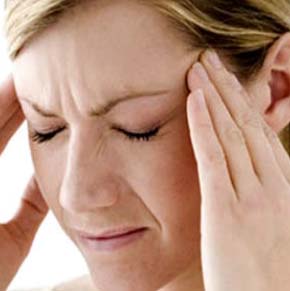
    Can Migraine Be Controlled with Exercises?

    Yes, Migraine headaches can be controlled successfully with exercises. Below we have discussed some exercising forms that can help in managing migraine attacks:
    Gentle cardiovascular workouts:
    You can get involved in cardiovascular activities like swimming, cycling or walking. Performing these activities regularly will decrease severity of the migraine headaches. These workouts will promote production of endorphins and thus helps in reducing migraine pain.  However make sure that you use these exercises only as preventive measures. Migraine pain can worsen due to physical activities; so never exercise when you are anticipating a migraine attack and experiencing related symptoms.
    Meditation: 
     
    As meditation does not involve physical movements, it is regarded as a perfect exercise for migraine relief. According to the experts, meditating during migraine attacks can reduce the pain effectively. The patient will need to sit in an upright position in a dark and quiet room and attempt to calm down his mind. There are several techniques of meditation that you can follow; consult an expert for suggestion on the most effective techniques.

    Neck stretch:
    This exercise can be done even when the migraine pain is at its peak. Neck stretching generally starts with 5 to 10 repetition of neck stretches, both in the forward and backward direction. This should be followed by gentle neck stretches on the left and right side; one should perform 5 to 10 repetitions of these side stretches. If you are doing the stretches in the right manner, you will feel it along your entire neck. Once the stretches are done, you will have to perform 5 to 10 repetitions of head rotations, from left to right.
    Yoga:
    You can also perform yoga. Yoga reduces migraine pain by relaxing the mind of the patient and relieving sensory overload. There are several yoga poses that can be done for getting rid of migraine pain; you can perform the easy mountain pose or the comparatively complex triangle pose. Remember, yoga asanas should never be done during rigorous migraine pain; they should be performed as the initial signs of migraine appears.


    Disclaimer: The information provided here is not intended to diagnose, treat or provide a second opinion on any health problem or disease. It is meant to support, not replace, the relationship that exists between an individual and his/her clinician.